
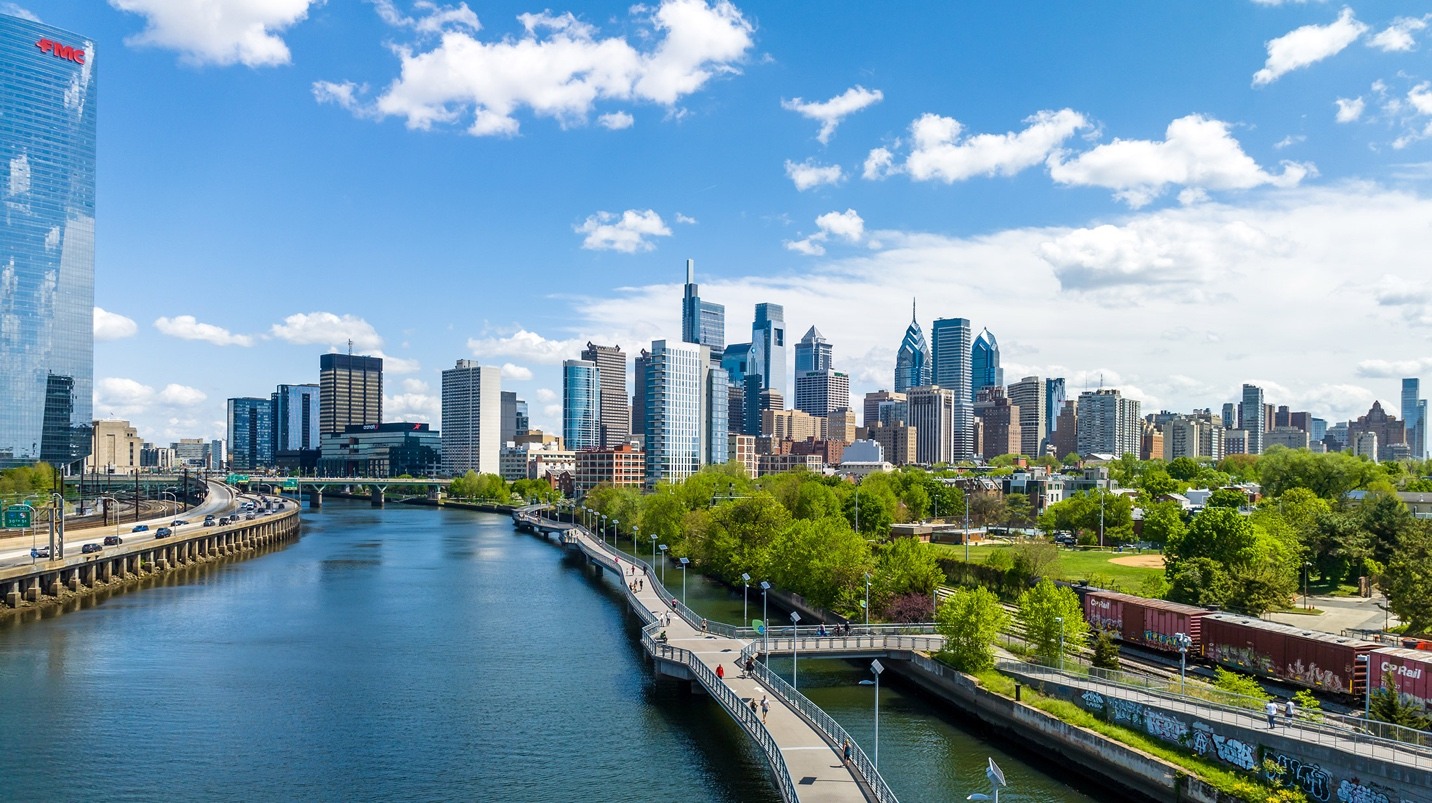
Philadelphia again had the highest poverty rate among the 10 most populous U.S. cities. After leaving the top spot for the first time in more than a decade last year, it moved ahead of Houston in the latest U.S. Census Bureau figures. The 2025 American Community Survey estimated Philadelphia’s poverty rate at 20.4 percent, up 0.7 percentage points from 19.7 percent a year earlier. That means roughly one in five residents lives below the federal poverty line.
It was the first year-over-year increase since 2011. The rate had declined from 28.4 percent in 2011 to 19.7 percent in 2024. Houston’s rate fell to 17.7 percent while Philadelphia again exceeded 20 percent. Statistical experts noted that the increase was within the survey’s margin of error and said the larger story is that the rate has hovered around 20 percent in recent years.
New York City and Houston both registered 17.7 percent in 2025, 2.7 points below Philadelphia. Chicago, San Antonio and Dallas also posted lower rates, as did Los Angeles, Phoenix and San Diego. The national rate was 11.8 percent, 8.6 points below Philadelphia. The comparison covers the 10 most populous cities, not all U.S. cities.
Poverty estimates are based on federal income thresholds that vary by household size. Higher costs for rent, groceries, transportation and utilities continue to strain low-income Philadelphians. Mayor Cherelle Parker said a 20.4 percent poverty rate was too high and pledged to improve economic opportunities for residents. The city has prioritized increasing housing supply and reducing housing costs, including through its roughly $800 million H.O.M.E. initiative.
Experts said the survey illustrates persistent hardship but cautioned against judging the local economy from one annual change. Katie Martin of The Pew Charitable Trusts noted that the poverty rate has effectively stalled over the past three years. Reductions in government food, health or housing assistance could put further pressure on low-income households.
Philadelphia has reduced poverty substantially over the past decade but continues to face one of the highest rates among the country’s largest cities. Experts called for a broad response, including jobs and higher incomes, stable housing, education and job training, health care and other assistance. The findings highlight the city’s challenge of improving daily conditions for lower-income residents while pursuing development and economic growth.