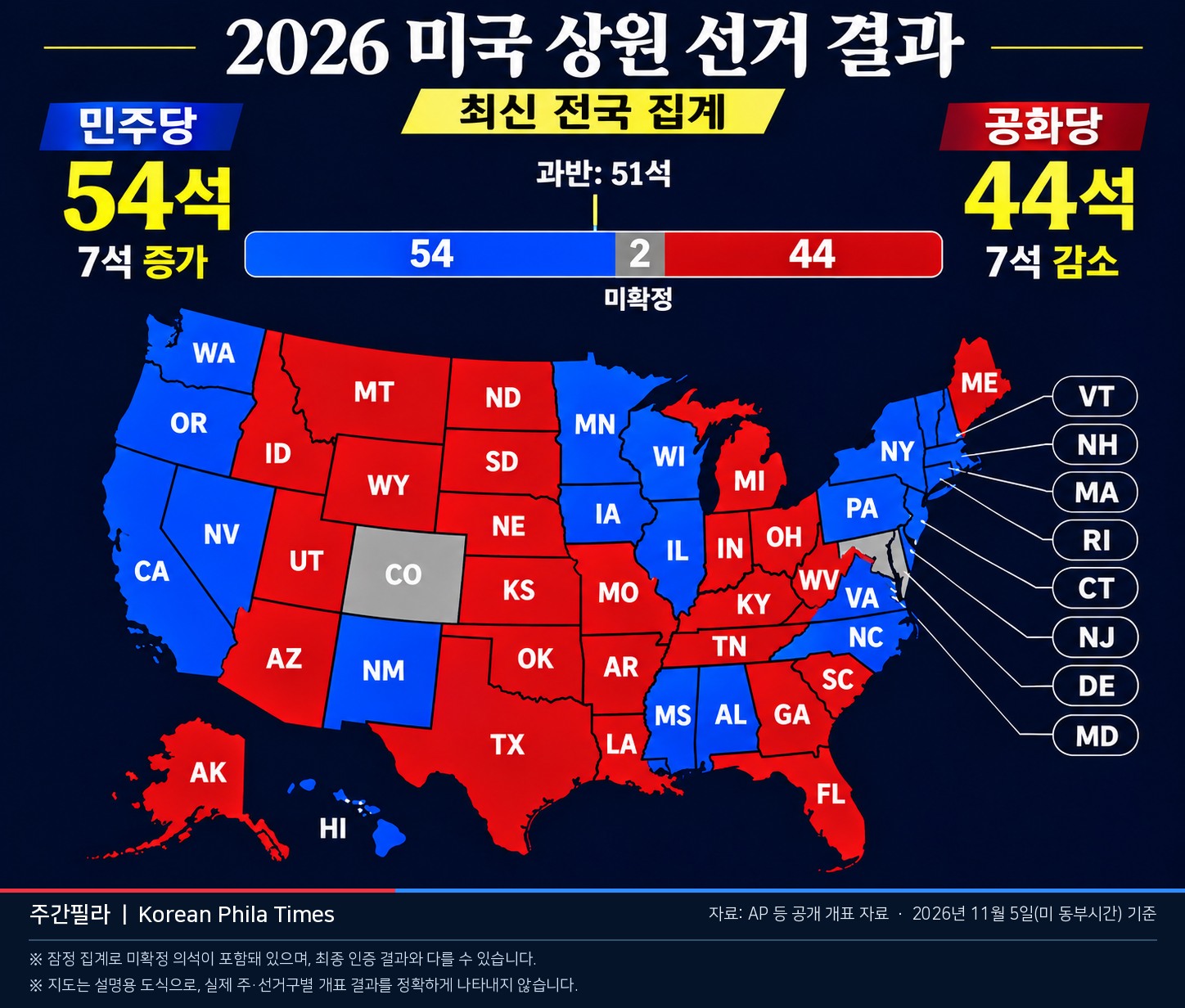
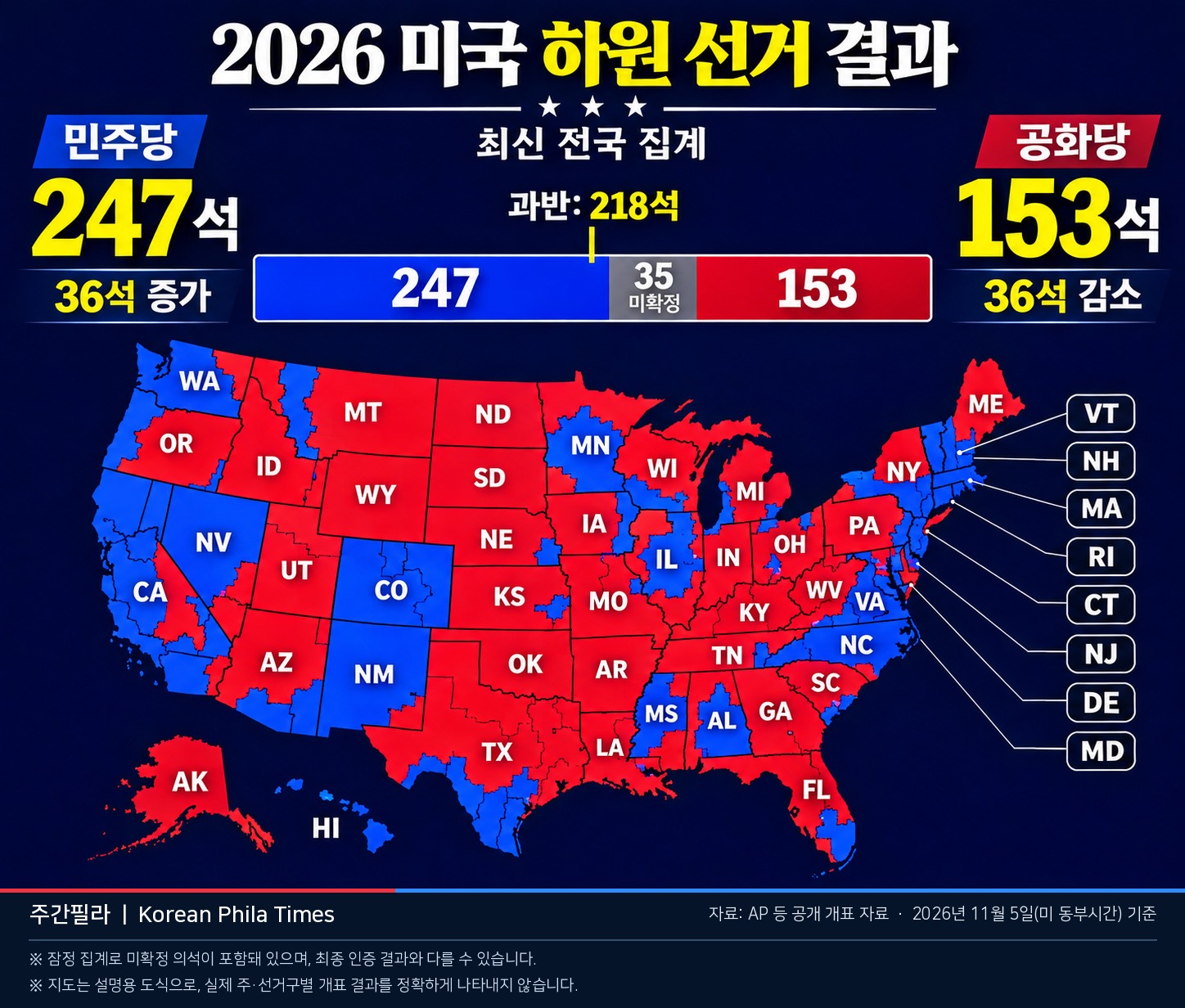
Democrats secured majorities in both chambers of Congress in the November 3 midterms, while key races reshaped Pennsylvania and New Jersey politics. Pennsylvania Gov. Josh Shapiro won reelection by a wide margin. With Democrats also taking the state Senate, the party will control the governorship and both legislative chambers for the first time in roughly three decades. Long-held Republican seats flipped in suburban Bucks and Montgomery counties, which emerged as key battlegrounds.
Shapiro defeated Republican Stacy Garrity to secure a second four-year term. With about 98.5 percent of the vote counted on the morning of November 4, the article’s tally put Shapiro at about 3 million votes (60.4 percent) and Garrity at about 1.91 million (38.3 percent). The Associated Press called the race one minute after polls closed at 8 p.m. on November 3. Shapiro, from Abington in Montgomery County, strengthened his standing in Pennsylvania and is mentioned as a potential Democratic presidential contender in 2028.
The most closely watched local result came in the 1st Congressional District. Democratic Bucks County Commissioner Bob Harvie defeated Republican Rep. Brian Fitzpatrick, who had represented the area since 2017. On the morning of November 4, Harvie had about 52.7 percent to Fitzpatrick’s 47.3 percent. Fitzpatrick, a moderate Republican who won by roughly 13 percentage points in 2024, lost the seat this time. The district includes all of Bucks County and part of Montgomery County and draws attention from local Korean American voters.
Democrats also unseated Republican incumbents in other Pennsylvania congressional races. Bob Brooks beat Rep. Ryan Mackenzie in the Lehigh Valley’s 7th District; Paige Cognetti beat Rep. Rob Bresnahan in the northeastern 8th District; and Janelle Stelson defeated Rep. Scott Perry in the Harrisburg-area 10th District. In Philadelphia and nearby suburbs, Democrats Brendan Boyle, Madeleine Dean, Mary Gay Scanlon and Chrissy Houlahan won or held their seats. Democrat Chris Rabb won Philadelphia’s 3rd District, succeeding retiring Rep. Dwight Evans.
Democrats also made gains in the state legislature. Republicans lost control of the state Senate, where they had held a majority for most of the period since 1978. Democrat Eileen Hartnett Albillar defeated Republican incumbent Frank Farry in Bucks County’s 6th District. Mark Pinsley defeated Jarrett Coleman in the 16th District, which covers parts of Bucks and Lehigh counties. Chris Thomas defeated Tracy Pennycuick in the 24th District, which includes parts of Montgomery and Berks counties. Brian Wrightson defeated incumbent Rosemary Brown in the northeastern 40th District.
Democrats retained their state House majority. In Bucks County, Kristin Egan defeated Republican incumbent Joe Hogan in the 142nd District, and Brian Munroe won reelection in the 144th. Elizabeth Moro defeated Republican Rep. Craig Williams in the 160th District, which spans parts of Chester and Delaware counties. With Democrats controlling both chambers during Shapiro’s second term, proposals that previously stalled amid legislative disagreements, such as a $15 minimum wage, greater transit funding and measures to ease housing costs, could return to debate.
In a South Jersey upset, Democratic Cape May Mayor Zack Mullock defeated Republican Rep. Jeff Van Drew in New Jersey’s 2nd District. Van Drew, a strong supporter of President Donald Trump, conceded before counting was complete. Democrat Donald Norcross won reelection in the 1st District, which includes Cherry Hill and Camden, and Democrat Herb Conaway won the 3rd District, covering Burlington and parts of Mercer and Monmouth counties. Democratic U.S. Sen. Cory Booker won reelection. In Delaware, U.S. Sen. Chris Coons and U.S. Rep. Sarah McBride also won reelection.
Nationally, the Democratic gains in the House and Senate shifted the balance in Congress for the remainder of Trump’s term. The Associated Press and other outlets identified frustration over prices, the cost of living and administration policies as factors, alongside the candidates and local dynamics in individual races.
Changes in Pennsylvania’s state government and congressional delegation could affect taxes, housing, education, transit and small business support. Seat changes in the Philadelphia suburbs, including Bucks and Montgomery counties, will have implications for local politics. As of November 4, counting and certification continued in some districts, so final vote totals and seat counts could change.