
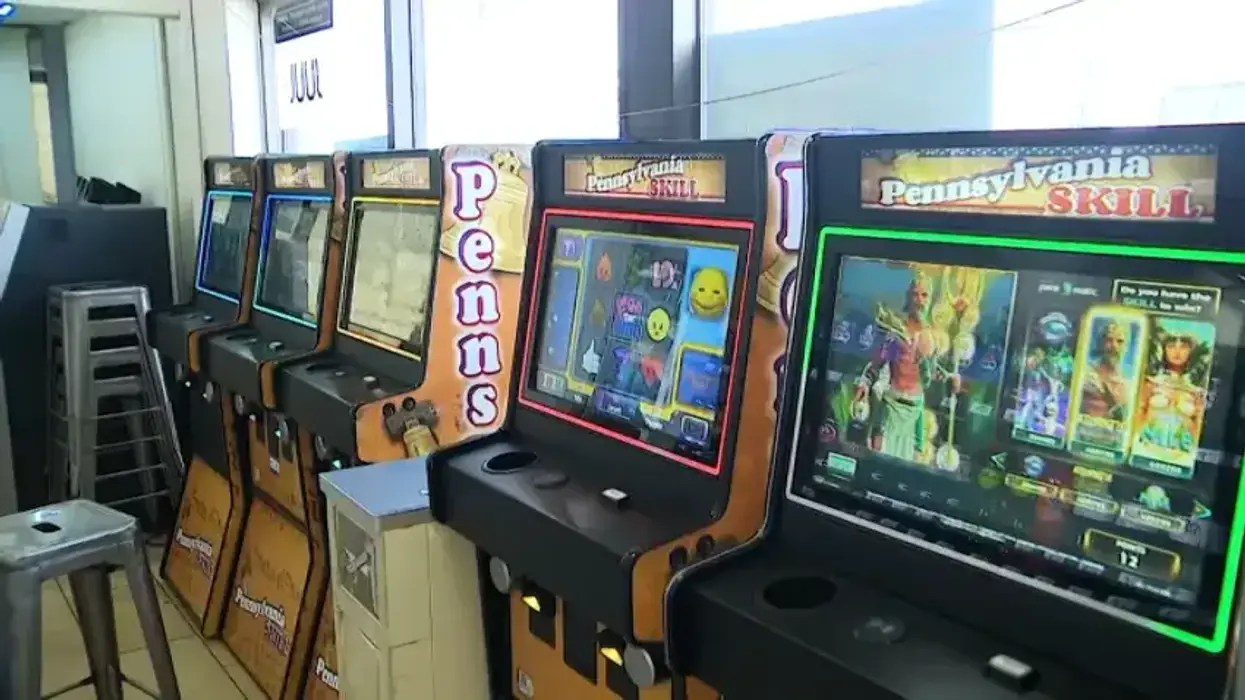
Pennsylvania’s prohibition on operating or possessing so-called skill-game machines in ordinary shops, except casinos and licensed truck stops, took effect on October 14, raising concerns about lost income for small businesses. Korean American owners of beer delis, corner stores, convenience stores and gas stations in Philadelphia, Montgomery County and Bucks County are expected to be directly affected. With sales restrictions on electronic cigarettes and vaping products also tightening, small shops that rely on multiple product categories and supplementary income face additional pressure.
The measure follows a June 15 Pennsylvania Supreme Court ruling that effectively classified skill-game machines as slot machines. Widely operated in convenience stores, delis, bars, restaurants and nonprofit organizations, the machines had long been the subject of legal debate because a player’s skill can influence the outcome. The court nevertheless found that they fall within the category of slot machines regulated under state gambling law. It delayed the ruling’s effect for 120 days to give the industry time to prepare. Because the legislature did not agree on a new tax and regulatory framework during that period, operation in ordinary shops was effectively prohibited.
According to Pennsylvania State Police, machines installed at unlicensed locations became subject to seizure on October 14, and business owners and operators may face criminal penalties. Simply switching a machine off or unplugging it does not constitute compliance. Owners must work with suppliers to remove the machines and related equipment from their premises. If a supplier refuses to remove them, the business can seek assistance from state police.
Because skill games have provided supplementary income beyond merchandise sales for some small stores, owners worry that the prohibition will place a significant burden on operations. In an interview with NBC10, Javal Patel, owner of 1 Stop Mini Market at Eighth and Bainbridge streets in Philadelphia, said daily players were disappointed to find the machines turned off. If customers who visited specifically to play stop coming, sales of drinks, groceries and other products could also decline.
The regulatory changes do not end there. Beginning October 19, Pennsylvania also prohibits sales of electronic cigarettes and vaping products that are not on the state’s approved list. Some beer-deli and corner-store owners who depend heavily on those sales fear both inventory losses and lower revenue. With rising operating costs and weaker consumer spending already creating difficulties, the loss of skill-game income could compound the strain.
For Korean American business owners in the Philadelphia area, the changes are particularly challenging. Many Korean-operated convenience stores and delis sell groceries, beverages, tobacco and other products, and some have used skill-game revenue to help pay rent, utilities and wages. With that income disappearing, they must adjust their revenue models. Smaller stores may find the changes especially consequential when deciding whether to remain in business.
Owners should first arrange for complete removal of any remaining skill-game machines and review the applicable rules. Even when a supplier handled installation and operation, the store itself may still be subject to enforcement. Skill-game information is available on the Pennsylvania State Police website at pa.gov/psp/skillgames.
The skill-game prohibition and additional retail restrictions are making changes to local small-business revenue models unavoidable. For Korean American beer-deli and corner-store owners, the immediate challenge is to avoid legal exposure from enforcement while finding ways to replace lost sales.